The short version
- Listeners hear three minutes. They rarely see the 20 or so hours behind them.
- Mixing and levels eat much of the hidden time, and one sentence about that changes how people listen.
- 500 fans paying $10 a month can earn far more than 500,000 Spotify streams.
- Send each song with a short note on how it was made and one real question.
The part of your song nobody hears
You finish a song, you send the link, and somebody listens to it once on their phone speaker while making toast. That's fine. That's what songs are for. But one hobby musician put their most recent song at about 20 hours of work, from first idea to the link they sent out. Listeners get the three minutes. The other nineteen-and-a-bit hours stay invisible unless you tell them about it.
One musician got this comment on a song: "I wish there was more thumping bass, it sounds flat." They pointed to it as a sign the listener had misunderstood how the music was made. It was probably meant kindly. It's also what happens when a listener has no idea what they're hearing: a quiet acoustic song held up against a club track, through who knows what speakers.
I think that gap is worth closing, and the reason is practical. People who understand how your song was made listen differently, talk about it differently and are far more likely to stick around for the next one. Giving them that understanding takes a couple of minutes and a few lines in the message you send with the link.
Where the hours go: mixing and getting the levels right
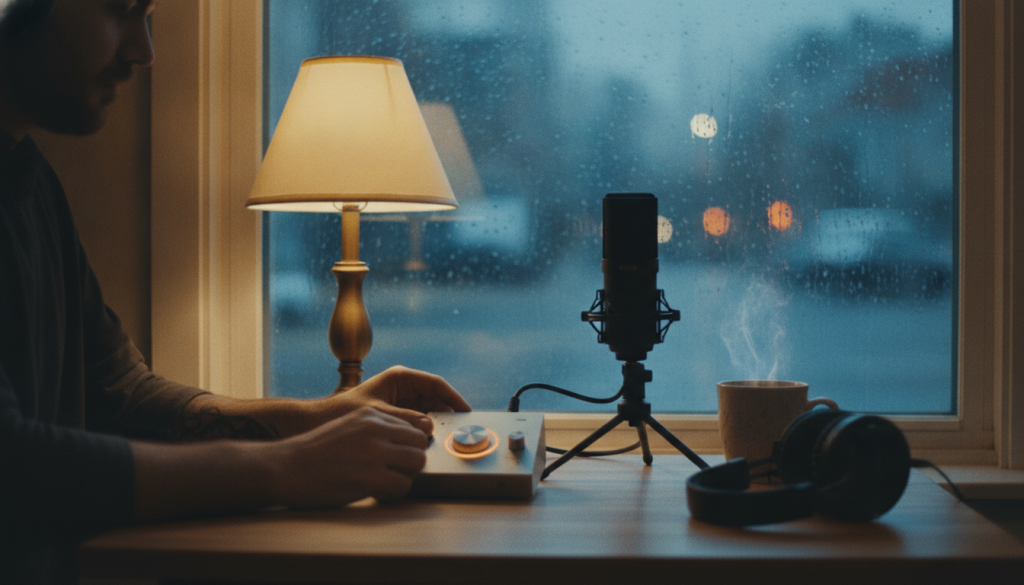
Asked which part of finishing a recording took the most time or effort that listeners never notice, one musician answered: mixing and getting the levels right. Their setup is an acoustic guitar and, sometimes, mixing software on a Mac. Hardly a mountain of gear, and the mix still swallows the evenings.
Mixing engineer Ellis Tucker describes it like this: mixing takes the individual elements of a song, such as drums, vocals and synths, and brings everything together in a way that should realise the artist's vision. "Levels" simply means how loud each part is next to the others. Does the voice sit on top of the guitar or hide behind it? Does the second guitar add warmth or just mud? You answer those by ear, change something, listen again, and repeat until your ears go fuzzy and you need a cup of tea.
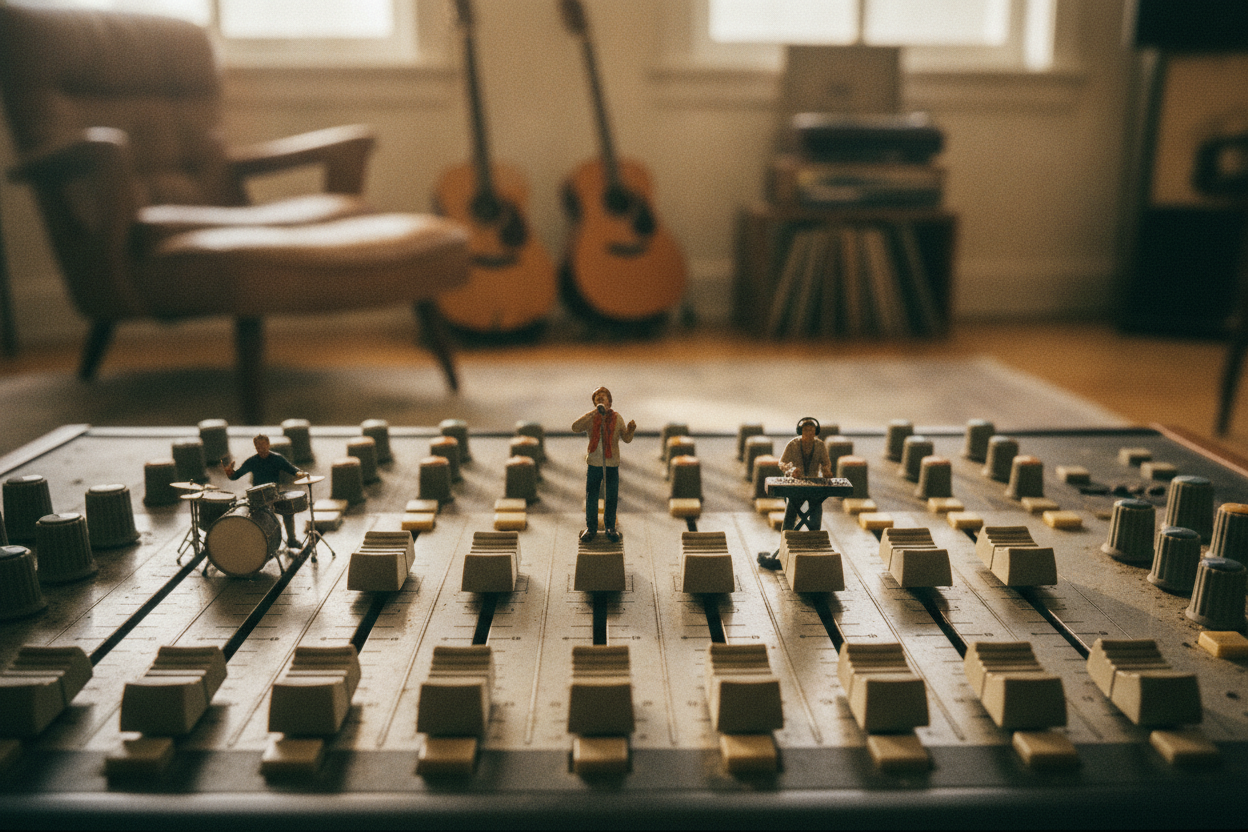
Professionals find this hard too, and their advice suits simple gear. Mix engineer Barney Barnicott told Sound On Sound that early on he realised one of the most important things in mixing is to do as little processing as possible and really work hard on balance. Balance is also exactly the kind of work listeners can't see. When a mix is balanced well, nothing jumps out at you, so nobody thinks to mention it.
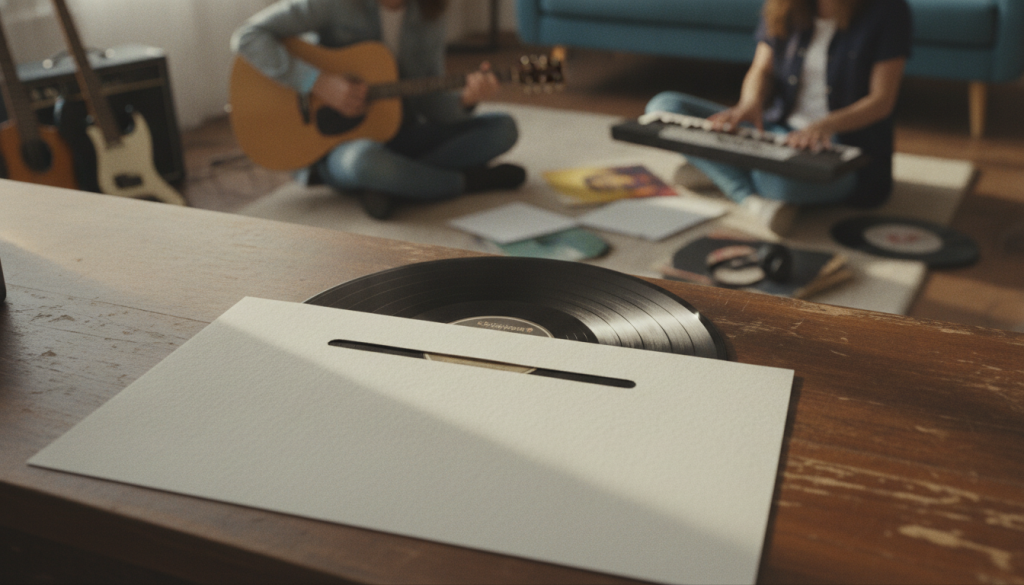
Then there's the listener's end of things. Tucker calls sound quality across streaming platforms a moving target, and he keeps a turntable in his studio as an extra reference point. Your song will be played on earbuds, laptop speakers, car stereos and the odd decent pair of headphones, and it will sound a bit different on each. A line like "this one's best on headphones" or "it's meant to feel quiet and close" heads off a lot of "it sounds flat" before it happens.
Why a few hundred fans who get it beat half a million streams
Here's the money side, and it's what makes the effort of explaining your work feel worth it. Elevar Magazine sets out the comparison: 500 fans paying an artist $10 a month directly comes to $5,000 a month, or $60,000 a year. Against that, 500,000 streams on Spotify bring in roughly $1,500 to $2,000, and the article adds "if you're lucky."
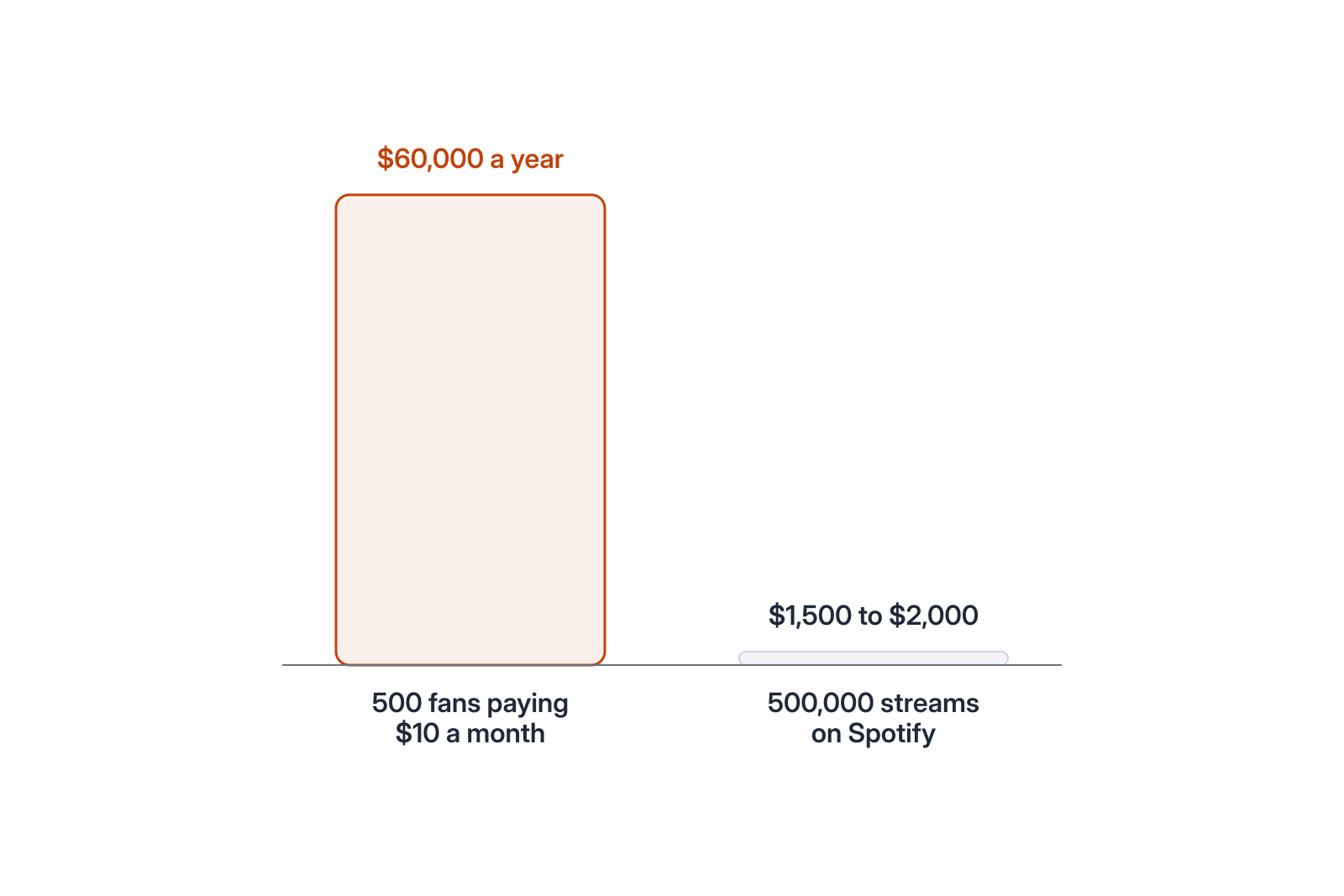
Half a million streams is a number most hobby musicians would be thrilled to see. Five hundred people who care is a number you can actually picture: a few gigs' worth of faces, a busy group chat, the people who reply every time you share something new. Nobody's saying every hobby musician should start charging a monthly fee. The point is which listeners count. A person who knows how your song was made and wants the next one is worth far more than a passing play.
Streaming still matters, so keep your songs on the platforms. In 2024 streaming became the top revenue source for independent artists, ahead of both downloads and physical sales, according to Forbes. Just don't judge how you're doing by the play count alone.
2% of listeners
Elevar Magazine calls them super listeners: roughly 2% of an artist's audience, generating nearly 20% of streams.
People also like owning a piece of music they love. Vinyl sales grew for an 18th year in a row, and nearly half of record buyers don't own a turntable. They're buying something they can't play, which looks a lot like backing the artist, wrapped in cardboard. Your fans may feel the same about a download, a T-shirt or a ticket to your next gig.
Send the story along with the link
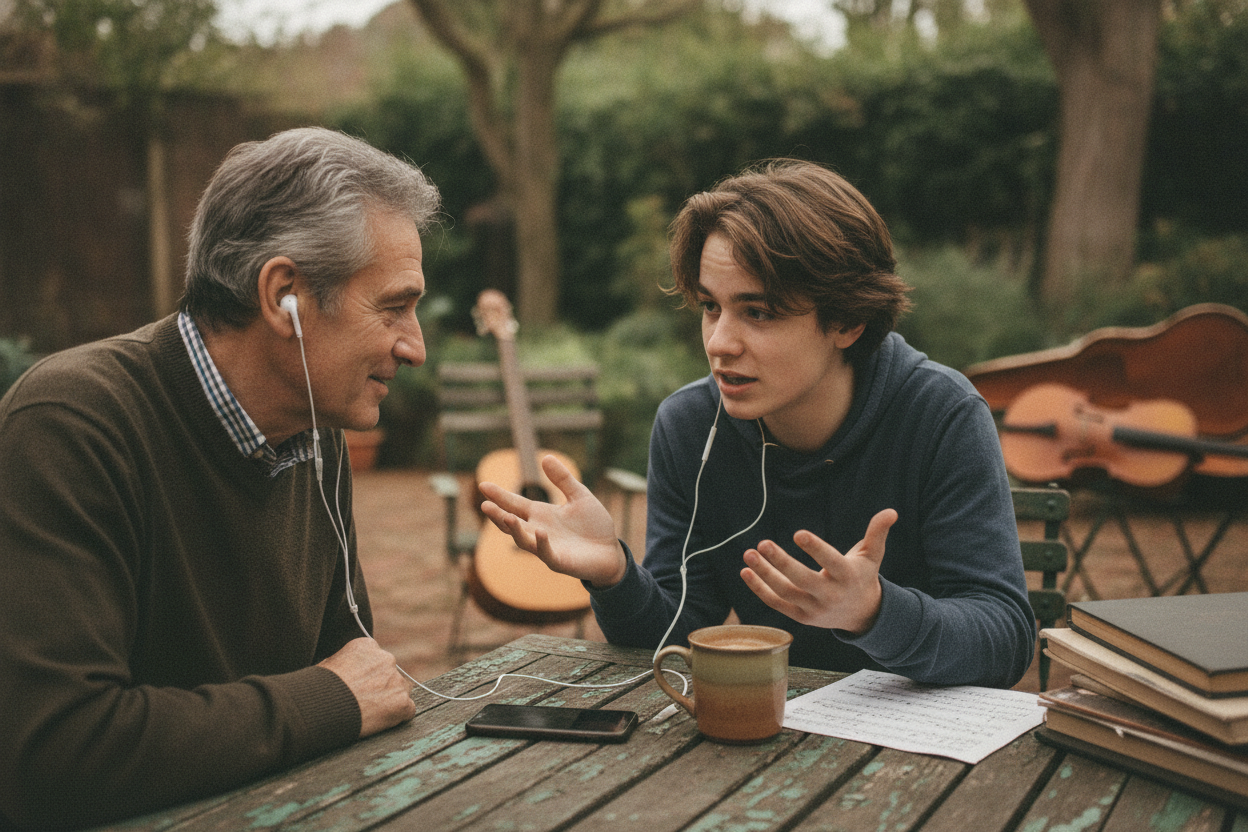
So how do you turn someone who presses play into someone who sticks around? Mostly by letting them in. Musician Óscar Rodrigues, drawing on Christopher Small's book Musicking, argues that music is fundamentally a process and an activity, not a product. Seen that way, a song link is an invitation into what you're doing, and people tend to say yes to invitations.
One musician shares raw demos and asks friends and family for feedback on both melody and lyrics. That works because it gives listeners a job they can do. "What do you think?" is hard to answer. "Does the chorus melody stick?" or "Is the second verse too wordy?" gets you real replies, and the people who answered feel part of the song when the finished version arrives.
Talk about your choices too. Mix engineer Mikko Gordon sends artists both a plain mix and an alternative version with added texture, and nine times out of ten the alternative is the one that gets used. Your listeners would enjoy hearing your version of that: why you kept the vocal dry, why there's no bass in the first verse, why the song stays small. Horsegirl made their second album, Phonetics On & On, focusing on music that felt fun, intuitive and innocent. Sparse can be the whole idea. Say so, and "it sounds flat" can turn into "oh, I see what you were going for."
Elevar Magazine also describes songs being written with a "will this work on Reels?" filter applied before the first note is recorded. As a hobby musician, nobody can make you write that way. The story of how you made the song you actually wanted to make is usually far more interesting to your listeners than chasing a trend.
What to put in the message with your link
- Roughly how long it took, from first idea to link
- Your gear, even if it's one guitar and a laptop
- The part that took longest, such as the mix
- How it's best heard: headphones, speakers, loud or quiet
- One choice you made on purpose, and why
- A specific question you'd love answered
- Where to hear the next song or catch your next gig
Start with the next song you share
The hours behind your song are real whether anyone notices them or not. What changes when you mention them is the listener. Someone who knows you spent an evening getting the vocal to sit right actually hears the vocal. Someone who knows the quiet bits are on purpose stops waiting for the bass to kick in. And a few hundred people like that can matter more than a mountain of anonymous plays.
So have a go with the next link you send. Add three or four lines about how it was made, ask one real question, and be kind to whatever comes back, even if it's a request for more bass. They pressed play. That's where every fan starts.
Questions musicians ask about sharing their songs
Won't explaining my song sound like making excuses?
Not if you keep it short and talk about choices rather than flaws. "I kept it sparse on purpose" invites people to listen; a list of apologies doesn't.
Should I share rough demos or wait for the finished mix?
Both can work. Demos suit questions about melody and lyrics, while the finished mix is the one to send when you want people to listen closely to the sound.
What if someone just replies "nice"?
Take it as a win, then ask a specific question next time. Many listeners simply need a prompt before they say more.